
Call us now :08071790477
 Send Inquiry
 Send Inquiry
Heavy Metal Titanium Pipes
Price 190 INR/
Heavy Metal Titanium Pipes Specification
- Other Material
- Other
- Product Type
- Pipe
- Material
- Titanium
- Type
- Seamless / Welded
- Shape
- Round
- Standard
- Other
- Surface Treatment
- Other
- Diameter
- 6 mm to 219 mm Millimeter (mm)
- Length
- Up to 6000 mm Millimeter (mm)
- Wall Thickness
- 0.5 mm to 10 mm Micrometers (um)
- Grade
- Grade 2 / Grade 5 / Gr7 / Gr9
- Density
- 4.51 Gram per cubic centimeter(g/cm3)
- Color
- Metallic Grey
- Pressure Rating
- High Pressure
- Elongation
- 25%
- Temperature Resistance
- Up to 600C
- Melting Point
- 1668C
- Modulus of Elasticity
- 105 GPa
- Packing
- Export Standard Packing
- Applicable Industries
- Chemical, Marine, Aerospace, Medical, Power Generation
- Corrosion Resistance
- Excellent
- Hardness
- Rockwell B80 - C36
- Tolerance
- 0.05 mm
- Usage
- Industrial, Commercial, Specialist Applications
- End Type
- Plain End, Beveled End, Threaded End
- Conductivity
- Low Thermal and Electrical Conductivity
About Heavy Metal Titanium Pipes
Specifications :-
Grades :
Grade 1, Grade 2, Grade 3, Grade 4, Grade 5, Grade 7, Grade 9, Grade 23
Type:-
Seamless / Erw / Welded/ Fabricated
Range :-
15 NB UP TO 600 NB IN SCH 5S, 10S, 10, 20, 40S, 40, STD, 60, 80S, 80, XS, 100, 120, 140, 160 etc.
Form:
Round, square, rectangular, hydraulic etc.
Length:
Single Random, Double Ranidom & Cut Length
End:
Plain End, Bevelled End, Treaded
Exceptional Corrosion Resistance and Durability
Titanium pipes excel in environments where corrosion is a critical concern. Their superior resistance protects against chemicals, saltwater, and extreme temperatures, ensuring long service life. These pipes offer a hardness range of Rockwell B80C36 and a melting point of 1668C, making them suitable for demanding applications across chemical plants, marine projects, and medical installations.
Precision Engineering for Demanding Applications
With manufacturing tolerances of 0.05 mm, titanium pipes deliver unmatched accuracy for high-pressure and high-performance systems. Their modulus of elasticity (105 GPa) and elongation rate ( 25%) ensure excellent mechanical properties. Available in seamless or welded forms and with plain, beveled, or threaded ends, they can be tailored to the specific needs of industrial or specialized projects.
Versatile Standards, Sizes, and Grades
Our titanium pipes comply with global standards such as ASTM B861, B338, and B337. They are available in diameters from 6 mm to 219 mm, wall thicknesses of 0.5 mm to 10 mm, and lengths up to 6000 mm. Multiple grades, including Grade 2, Grade 5, Gr7, and Gr9, cater to diverse application requirements, from aerospace to power generation.
FAQs of Titanium Pipes:
Q: How are titanium pipes used in the chemical and marine industries?
A: Titanium pipes are frequently selected for chemical and marine applications due to their excellent resistance to corrosion, even from aggressive chemicals and seawater. Their durability ensures a long service life in environments that would often degrade other metals quickly.Q: What manufacturing processes are used for these titanium pipes?
A: These pipes are produced using either seamless or welded techniques, followed by surface treatments such as polishing, pickling, or annealing. Both hot and cold rolling processes are employed to achieve the specified wall thickness and diameter tolerances.Q: When should seamless titanium pipes be preferred over welded ones?
A: Seamless titanium pipes are recommended for high-pressure and critical applications where uniformity, superior strength, and minimal risk of leaks are essential. Welded pipes offer efficiency and cost benefits for less demanding or larger-diameter requirements.Q: Where are these titanium pipes commonly installed?
A: Titanium pipes are widely installed in aerospace, medical device manufacturing, power generation plants, chemical processing facilities, and marine engineering projects. Their ability to handle corrosive fluids and high temperatures makes them ideal for these demanding sectors.Q: What are the benefits of using titanium pipes compared to other metals?
A: Compared to traditional metals, titanium pipes provide superior lightness, high strength, excellent corrosion resistance, and the ability to perform at temperatures up to 600C. This combination reduces maintenance needs and extends operational life in challenging environments.Q: How does titaniums low conductivity affect its usage?
A: Titaniums low thermal and electrical conductivity makes it suitable where heat retention or electrical insulation is needed. This property is advantageous in processes involving high temperatures or electrical applications, providing operational safety and equipment protection.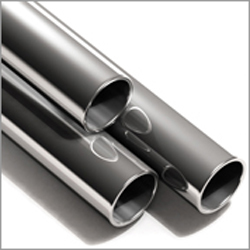
Tell us about your requirement

Price:
Quantity
Select Unit
- 50
- 100
- 200
- 250
- 500
- 1000+
Additional detail
Mobile number
Email

More Products in Titanium Category
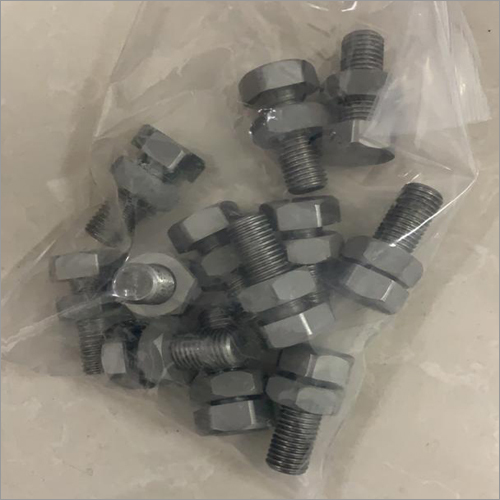
Titanium Bolts
Price 150 INR / Set
Minimum Order Quantity : 100 Sets
Shape : Other, Hexagonal / Round
Product Type : Other, Bolts
Color : Silver / Titanium Grey
Material : Other, Titanium Grade 2 / Grade 5
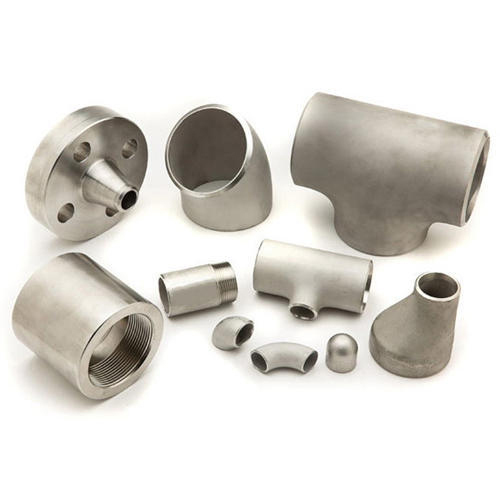
Heavy Titanium Fittings
Minimum Order Quantity : 10 Kilograms
Shape : Other, Tee, Elbow, Reducer, Stub End, Coupling, Flange
Product Type : Other, Titanium Fittings
Color : Silver
Material : Titanium
Titanium fittings
Price 500 INR / Piece
Minimum Order Quantity : 100 Pieces, Piece
Shape : Other, Elbow (Bend)
Product Type : Other, Pipe Fittings
Color : Silver / Metallic Grey
Material : Titanium
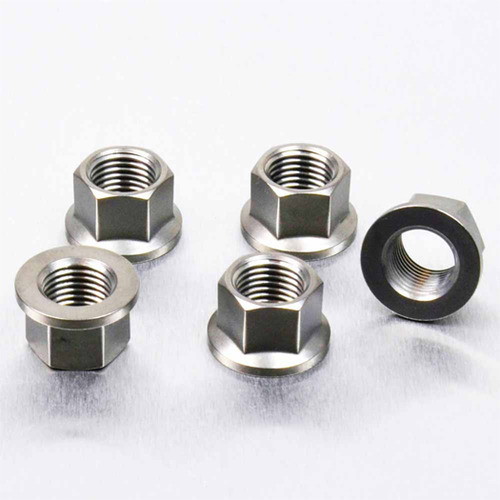
Titanium Nut
Minimum Order Quantity : 10 Kilograms
Shape : Round
Product Type : Other, Titanium Nut
Color : Silver
Material : Titanium

 Send Inquiry
Our Products



544, Patthe Bapurao Marg,Mumbai - 400004, Maharashtra, India

Mr Jatin N Sanghvi
(Partner)
Mobile :08071790477
 Send Inquiry
 Send SMS
 Call Me Free
Developed and Managed by Infocom Network Private Limited.


